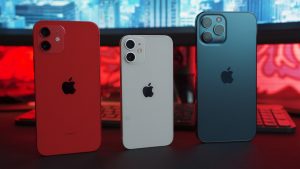
Prepaid phones used to mean one thing: a stripped-down device for buyers who couldn’t or wouldn’t sign a contract. That reputation hasn’t matched reality for a while now, and in 2026 the gap between prepaid and postpaid devices has narrowed even further. Here’s what’s actually driving prepaid phone news right now.
1. Flagship-Level Hardware Is Reaching Prepaid Price Points
Component costs coming down, combined with aggressive competition among budget and mid-range brands, means prepaid buyers are getting hardware that would have been considered flagship-tier just a couple of years ago — sharper displays, genuinely capable cameras, and multi-day battery life. The days of prepaid automatically meaning laggy performance and a low-resolution screen are largely over for anyone shopping above the absolute entry level.
2. Carriers Are Competing Harder on Network Access
Prepaid plans historically came with real trade-offs: slower data priority, limited 5G access, or network restrictions that postpaid customers didn’t face. Those gaps are closing as carriers push more of their network capabilities down into prepaid tiers to stay competitive. For many everyday users, the practical difference between a prepaid and postpaid connection is becoming harder to notice.
3. eSIM Adoption Is Making Prepaid More Flexible
The shift toward eSIM-only devices is changing how prepaid plans get activated and swapped. Instant digital activation, easier carrier switching, and support for multiple profiles on a single device are making prepaid a genuinely more flexible option, especially for travelers and anyone who wants to switch carriers without hunting down a physical SIM card.
4. AI Features Are Trickling Into Budget Devices
On-device AI used to be a flagship-only bullet point, but that’s changing fast. Entry-level and prepaid-friendly chipsets are increasingly including basic AI capabilities like smarter photo processing, real-time translation, and improved voice assistants. It’s rarely the full flagship experience, but the gap in “smart” features between budget and premium devices is shrinking year over year.
5. Refurbished and Certified Pre-Owned Phones Are Gaining Trust
The prepaid space has always overlapped with budget-conscious buyers, and certified refurbished devices are becoming a bigger part of that conversation. Better quality control, standardized grading, and longer warranty coverage are making refurbished flagship phones a legitimate alternative to buying new, often at a similar price to a mid-range prepaid device — but with noticeably better hardware.
The Takeaway
Prepaid phones in 2026 aren’t the compromise they used to be. Better hardware, stronger network access, more flexible eSIM activation, and creeping AI features mean prepaid buyers are getting a genuinely competitive experience rather than a scaled-down one. Whether you’re shopping for your first prepaid device or reconsidering the category after years away, these are the shifts worth knowing before you buy.
We’ll keep tracking these developments as they unfold — check back for the latest in prepaid phone news.